







 Study in
University-specific options across technology, engineering and business, with clear language requirements.
10
Universities on our shortlist
419
Programmes to compare
On request
Medicine pathway
Overview
Why study in Germany?
Tuition-free or low-fee public universities, world-class engineering and an 18-month job-seeker permit after graduation.
- No tuition at most public universities, just a semester fee
- Leading engineering, automotive and IT employers
- 18-month residence permit to find work after your degree
- Growing number of English-taught master's programmes
Capital
Berlin
Official language
German
Currency
euro
Population
83.5 million
As of 2025
Region
Continental Europe
University cities
Munich, Aachen, Stuttgart, Dresden
+6 more
Student essentials
Intakes, visa and work rights in Germany
Intakes
Winter semester (October, main) and summer semester (April).
Student visa
National student visa (D-visa) with admission, a blocked account and health insurance; APS certificate required for applicants from India, China and Vietnam.
Part-time work
140 full days or 280 half days a year.
After graduation
18-month residence permit to look for skilled work, then an EU Blue Card or work permit.
Living costs
A blocked account of about €11,900 a year (around €992 a month).
Rules reviewed October 2026. Visa and work rules change often; we confirm the current position for your nationality when you apply.
Costs & duration
What to budget for
Indicative annual tuition across the programmes we list in Germany. Fees vary by university, course and intake.
Bachelor's
212 programmes- Tuition per year
- USD 0–6,687
- Typical length
- 3 years (6 semesters)
Typical entry requirements
Most non-EU school certificates need a year of Studienkolleg (or one year of university study at home) before direct entry; some qualifications, such as JEE Advanced for Indian students, allow direct entry to certain programmes.
Master's
207 programmes- Tuition per year
- USD 0–13,375
- Typical length
- 2 years (4 semesters)
Typical entry requirements
A recognised bachelor's with a good grade, matching modules, APS certificate where required and IELTS 6.5 for English-taught programmes.
Planning figures only. Fees change by course, intake and nationality; we confirm the exact amount in writing before you apply.
Universities
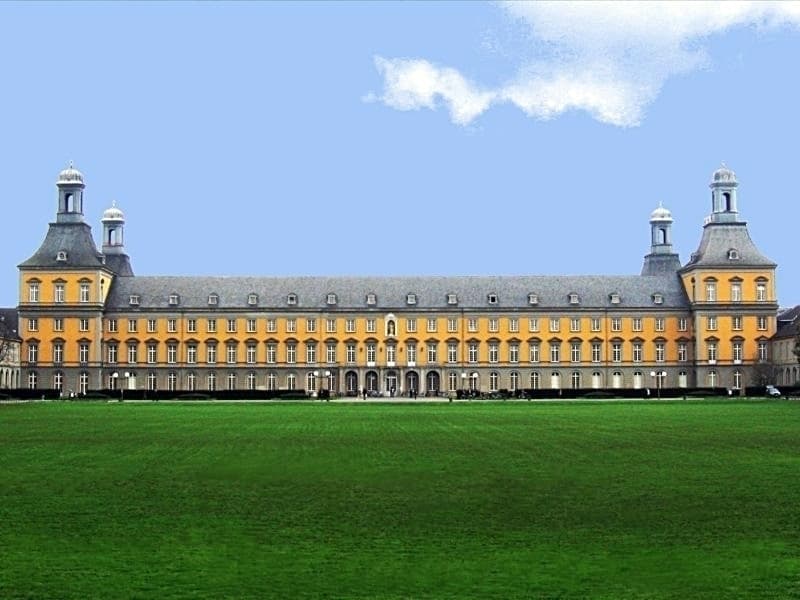
10 universities in Germany




How to apply
Your route to Germany, step by step
- 01
Find where you fit
Tell us your grades, budget and ambitions. We shortlist countries, universities and courses that genuinely match, not the ones that pay the most commission.
- 02
Applications, handled
Documents, statements of purpose and deadlines across every university on your list, tracked in one place by our experienced counselling team.
- 03
Visa without the guesswork
Financial documents, SOPs and mock interviews prepared by specialists who do this every day.
- 04
Land with a plan
Flights, accommodation, airport pickup and orientation, so your first week is about your new city, not paperwork.
FAQs
Studying in Germany: common questions
Across the programmes on AmbleWave's Germany shortlist, indicative annual tuition is USD 0–6,687 for bachelor's and USD 0–13,375 for master's programmes. Fees vary by university, course and intake, and we confirm the exact amount in writing before you apply.

Thinking about Germany?
Get a free, honest assessment of your chances and a shortlist built around your profile.