







 Study in
Broad bachelor's and master's options with dedicated admissions and arrival support.
10
Universities on our shortlist
409
Programmes to compare
On request
Medicine pathway
Overview
Why study in Canada?
High-quality public universities and colleges, co-op work terms, and a clear post-graduation work permit for eligible programmes.
- Co-op programmes with paid work terms built in
- Public colleges and universities in Ontario, British Columbia and beyond
- Post-Graduation Work Permit of up to 3 years
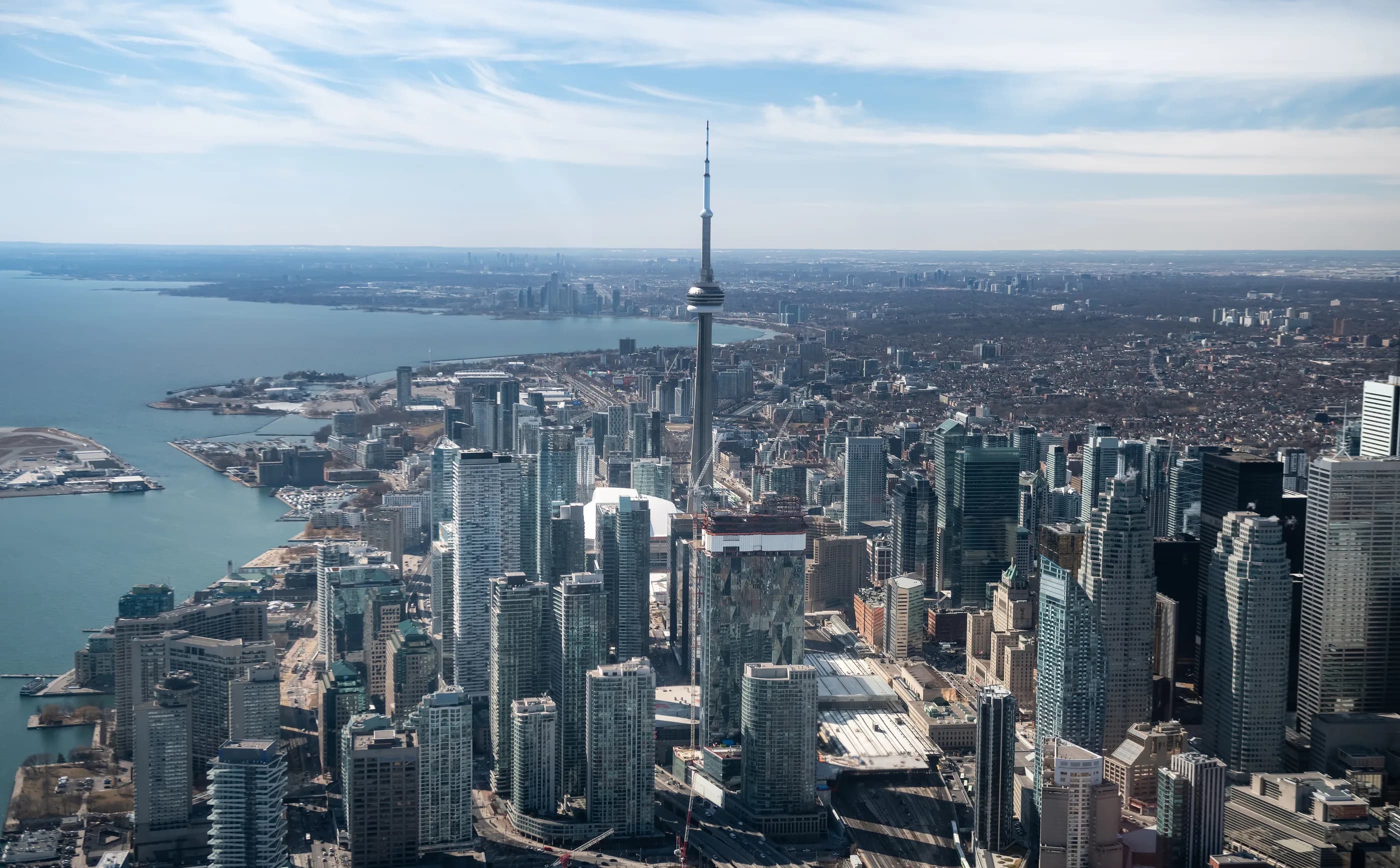
- Diverse, welcoming cities such as Toronto, Calgary and Vancouver
Capital
Ottawa
Official language
English, French
Currency
Canadian dollar
Population
40.0 million
As of 2023
Region
English-speaking leaders
University cities
Toronto, Metro Vancouver A, Edmonton, Waterloo
+5 more
Student essentials
Intakes, visa and work rights in Canada
Intakes
September (main), January and May.
Student visa
Study permit with a letter of acceptance, a Provincial/Territorial Attestation Letter (PAL) for most applicants, biometrics and proof of funds.
Part-time work
Off-campus work up to 24 hours a week during academic sessions, full-time in scheduled breaks.
After graduation
Post-Graduation Work Permit (PGWP) of up to 3 years, depending on programme length and field-of-study rules.
Living costs
Proof of funds for living costs (currently over CAD 20,000 a year) plus first-year tuition.
Rules reviewed October 2026. Visa and work rules change often; we confirm the current position for your nationality when you apply.
Costs & duration
What to budget for
Indicative annual tuition across the programmes we list in Canada. Fees vary by university, course and intake.
Bachelor's
207 programmes- Tuition per year
- USD 17,121–55,756
- Typical length
- 3–4 years
Typical entry requirements
Class 12 or an equivalent high-school qualification (CBSE, ISC, State Boards, A-levels, IB, WAEC or a national diploma) is accepted, with subject grades set by each course. IELTS Academic 6.0–6.5 is common.
Master's
202 programmes- Tuition per year
- USD 7,192–54,279
- Typical length
- 1–2 years
Typical entry requirements
A recognised bachelor's with strong grades; colleges offer postgraduate certificates for 3-year degree holders. IELTS 6.5 typical.
Planning figures only. Fees change by course, intake and nationality; we confirm the exact amount in writing before you apply.
Universities
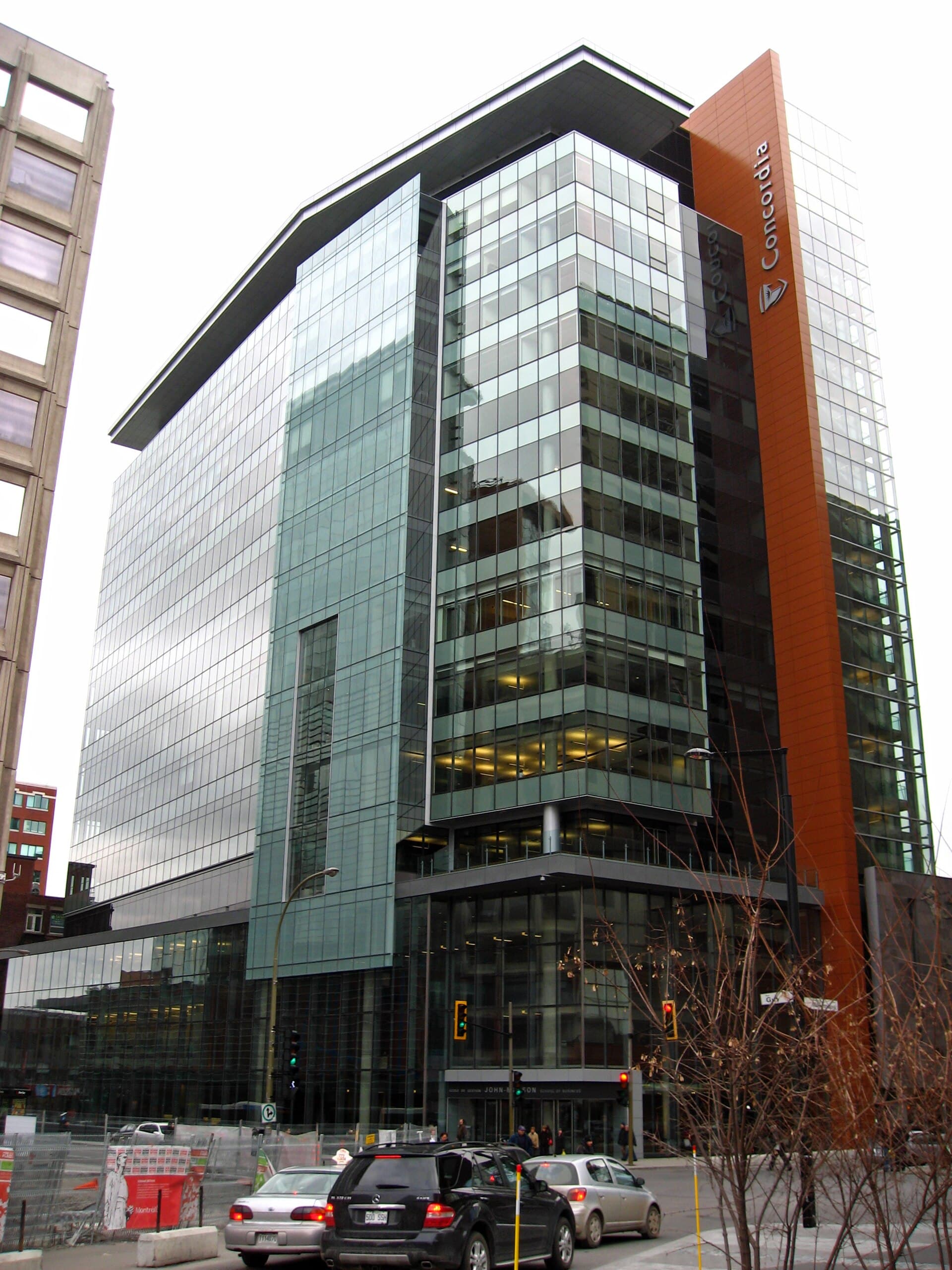
10 universities in Canada




How to apply
Your route to Canada, step by step
- 01
Find where you fit
Tell us your grades, budget and ambitions. We shortlist countries, universities and courses that genuinely match, not the ones that pay the most commission.
- 02
Applications, handled
Documents, statements of purpose and deadlines across every university on your list, tracked in one place by our experienced counselling team.
- 03
Visa without the guesswork
Financial documents, SOPs and mock interviews prepared by specialists who do this every day.
- 04
Land with a plan
Flights, accommodation, airport pickup and orientation, so your first week is about your new city, not paperwork.
FAQs
Studying in Canada: common questions
Across the programmes on AmbleWave's Canada shortlist, indicative annual tuition is USD 17,121–55,756 for bachelor's and USD 7,192–54,279 for master's programmes. Fees vary by university, course and intake, and we confirm the exact amount in writing before you apply.

Thinking about Canada?
Get a free, honest assessment of your chances and a shortlist built around your profile.